Why streetwear matters today
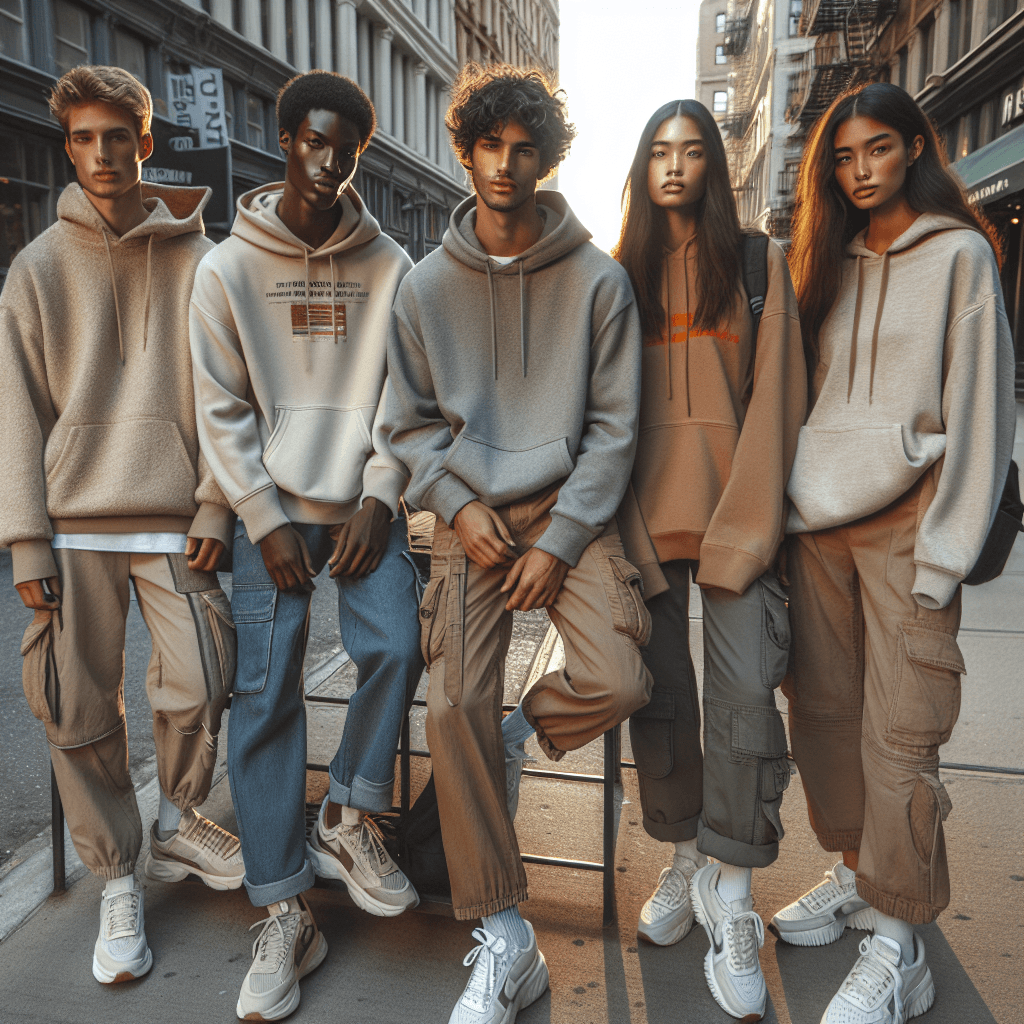
Streetwear has matured from a niche subculture into an everyday uniform that blends comfort, self-expression, and functionality. For many, the challenge is not finding pieces they like, but creating a wardrobe that remains versatile across seasons and settings—class, office-casual, weekends, and nightlife—without constant reinvestment. In the apparel-fashion space, that means learning to balance trend-led silhouettes with timeless staples, choosing fabrics that wear well, and understanding how sneakers anchor an outfit. Retailers like snipes.com surface an enormous selection of footwear and clothing, but scale can be overwhelming. The goal of this guide is to translate that breadth into a lean, mix-and-match rotation you can rely on daily. The core problem most shoppers face is fragmentation. A few on-trend items might look great individually, yet they struggle to pair with what you already own. Another common pain point is fit—particularly with oversized tees, cropped hoodies, or wider-leg pants, where small changes in drape transform the entire silhouette. Then there are practical realities: weather shifts, commute needs, storage, and care. Sneakers, for example, may need rotation to manage wear, and apparel benefits from fabric choices that can handle repeated washing without losing shape. A deliberate approach helps. Think of your wardrobe as a system, with sneakers, bottoms, tops, and outerwear serving distinct roles. Establish a base palette (neutrals usually extend the life of every piece) and add accent colors sparingly through accessories or graphics. Prioritize comfort and construction details—waistbands that do not pinch, collars that keep their structure, hems that land where you like. Add one or two statement items per season to refresh the look without starting from scratch. When shopping, consider breadth and curation together; browsing on snipes.com can feel energizing, but clarity on materials, sizing, and intended use will keep your cart focused. This guide distills practical steps to choose sneakers and apparel that align with your style, your day-to-day life, and your budget, helping you build confidence in every selection you make.
Key pieces and styling tips
A versatile streetwear wardrobe starts with footwear, since sneakers often determine how dressed up or relaxed an outfit feels. Clean leather or suede lifestyle pairs complement chinos and relaxed denim for a smart-casual base, while breathable mesh runners suit active days and longer walks. High-top silhouettes add structure and pair well with straight or wide-leg pants. If you’re new to rotation, aim for two to three pairs covering distinct roles: one neutral everyday pair, one sporty option, and one statement color or collaboration for personality. From there, build out tops and layers. Heavyweight tees (around 200–240 gsm) tend to drape better and hold shape after washing. Hoodies with double-layer hoods and secure ribbing resist stretching; zip-ups extend wearability across temperatures. Overshirts, chore jackets, and coach jackets offer light structure without bulk, while puffer or insulated coats handle colder months. In bottoms, straight or relaxed-taper denim, utility pants, and techy cargos create visual interest through pockets, seams, and fabric texture. Cropped or stacked lengths can adjust proportion, especially when combined with different sneaker heights. Color and fabric strategy matter. Neutral foundations—black, white, grey, navy, olive—maximize combinations. Add texture rather than more colors: fleece, twill, corduroy, ripstop, and knitwear bring depth to outfits built from basics. Graphics can punctuate a look, so consider placing them on one focal piece (tee or hoodie) to avoid visual clutter. Accessories—caps, beanies, crossbody bags—serve as low-risk style tests and help transition outfits between contexts. For care, simple routines like gentle cycles, cold water, and air drying extend garment life; sneaker care kits, soft brushes, and protective sprays keep uppers fresh without harsh abrasion. When shopping online, filters and size guides are your allies. Sort by silhouette, fabric, or color to compare like-for-like pieces. Read product descriptions for material composition, weight, and care instructions, and check photos for construction details such as stitching and paneling. Availability can change quickly with popular styles, so wishlists and restock notifications help you plan without impulse buys. If you are price-conscious, you can explore offers during seasonal refreshes or when last-season colorways roll down, keeping quality high while managing spend. Finally, verify return windows and condition requirements before ordering multiple sizes; informed try-ons reduce back-and-forth and help you land the best fit the first time.
How to shop smarter
Start by auditing what you own. Lay out your most-worn sneakers, pants, and tops and identify gaps: perhaps you have several loud graphic tees but only one reliable layering piece, or multiple tech runners yet no neutral leather pair for elevated looks. Decide on a palette you feel confident wearing three to four days a week, then choose one accent color to thread through accessories or trims. This keeps each new purchase additive, not redundant. Before buying, define the outfit scenario. If you need a day-to-night sneaker, look for minimal branding, versatile materials (leather or high-quality synthetic), and a sole that balances cushioning with shape. For campus or commuting, prioritize durability and traction. If your climate changes drastically, consider a layered approach: a heavyweight tee under a zip hoodie, topped by a midweight jacket. Each layer should function solo, so you have flexibility as temperatures shift. Fit testing is crucial. Learn your measurements—chest, shoulder width, sleeve length, waist, and inseam—and compare them with individual product size charts rather than relying on a single brand standard. When trying relaxed or oversized pieces, note shoulder drop, sleeve opening, and hem length; subtle differences can alter the silhouette more than nominal size. If you order two sizes to compare, review the retailer’s policy and return items in new condition and within the stated window. For sneakers, test with the socks you plan to wear most and walk on clean surfaces to preserve return eligibility. Budget for longevity. Allocate more toward daily drivers that anchor most outfits and reserve a smaller portion for occasional statement items. Track wear: if one pair of sneakers sees heavy use, rotate to a secondary pair a few days a week. Basic care adds up—wiping soles after use, spot-cleaning stains promptly, and storing items in breathable spaces. When you want to check current availability, colors, or size runs, browsing the official site can help you compare options, preview new arrivals, and align purchases with your plan. Over time, this approach builds a closet that feels consistent and expressive, with fewer impulse regrets and more outfits that simply work.
Summary and next steps
A versatile streetwear wardrobe is less about chasing every drop and more about building a system that fits your life. Sneakers set the tone, so start with two or three pairs covering everyday, sporty, and statement needs. Support them with durable basics: heavyweight tees that hold shape, reliable hoodies for layering, and structured light jackets for mid-season transitions. Choose straight or relaxed-taper bottoms in fabrics that add texture, then introduce accent colors through accessories for controlled variety. Smart shopping habits make this sustainable. Use size charts and product descriptions to reduce guesswork, verify return windows before ordering multiples, and keep a running wishlist to separate genuine needs from passing wants. Basic care routines—gentle laundering, air drying, and simple sneaker maintenance—extend the life of each piece. As you apply these steps, you will find that a coherent palette, considered fits, and consistent materials make almost everything in your closet interchangeable. The result is a wardrobe that adapts to changing plans and seasons with minimal stress, while still leaving room for personal expression through graphics, textures, and an occasional standout pair. If you continue refining your rotation with these principles, you will shop more confidently and get more value from every item you bring home.